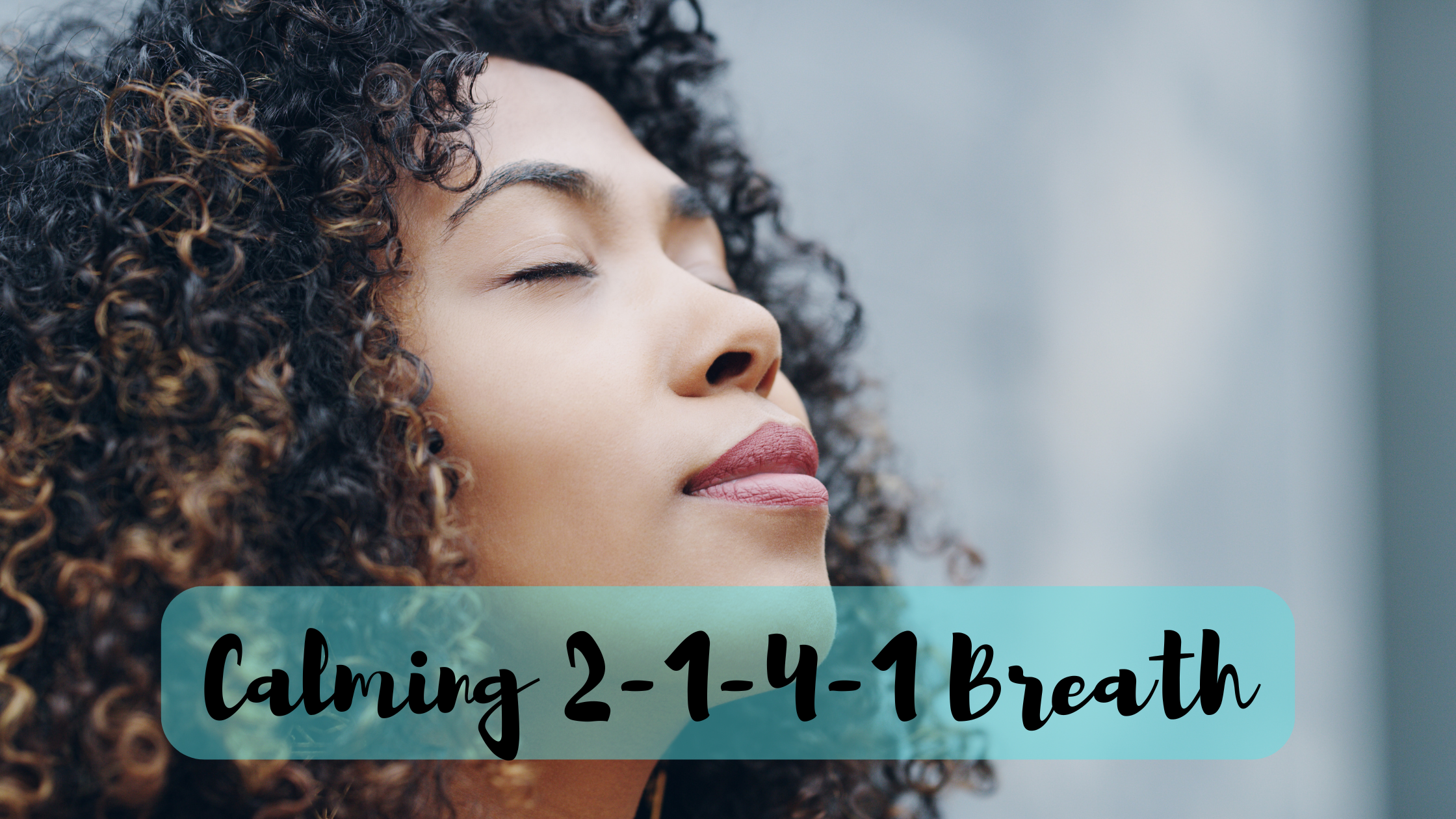
Not all breaths are created equal. Case in point: A simple, timed breath routine where the exhales are longer than the inhales can be powerful enough to soothe the nervous system and the overworked mind.
What makes this kind of breathing so calming?
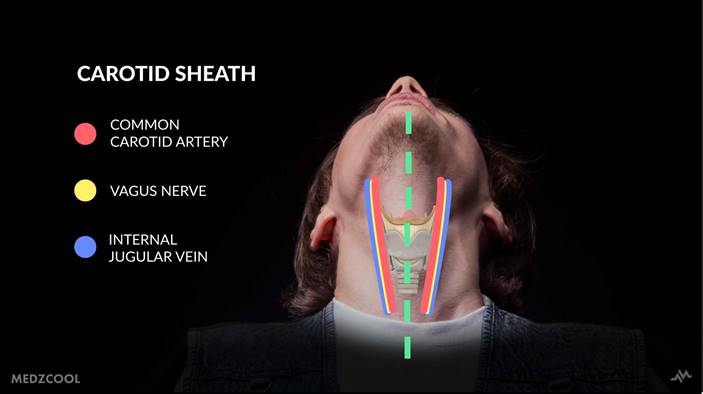
When your exhale is even a few counts longer than your inhale, the vagus nerve (running from the neck down through the diaphragm) sends a signal to your brain to turn up your parasympathetic nervous system and turn down your sympathetic nervous system.
The sympathetic nervous system commands your fight-or-flight response. When it fires, your heart rate and breathing speed up and stress hormones like cortisol start pumping through your bloodstream, preparing your body to face a threat. If the threat is “A lion is chasing me and I need to run away,” this response is helpful. But if the threat is “I’m late to work!” this response not particularly helpful—and, in fact, it can be damaging. When cortisol is elevated too frequently or for too long, it disturbs the body’s hormone production.
The parasympathetic system, on the other hand, controls your rest, relaxation, and digest response. When the parasympathetic system is dominant, your breathing slows, your heart rate drops, your blood pressure lowers, and your body is guided back into a state of calm and healing.
Putting your body in a parasympathetic state is easier than you might think; it just takes a slight manipulation on the occiput/brainstem and adjustment of the carotid sheath while you try the breathing exercise during the manual therapy. Feel free to request during your treatment to go over this simple Exercise and monitor Breath and heart rate or Blood Pressure to validate the efficacy of the manual therapy during breath exercise to start initiating information to the ventral and dorsal vagus nerve.
Step-by-step instructions for this calming 2-1-4-1 breath:
- To begin, sit still and tall somewhere comfortable. Close your eyes and breathe through your nose.
- Inhale for a count of 2. Pause at the top of your inhale for a count of 1.
- Exhale gently, for a count of 4. Pause at the bottom of your exhale for a count of 1.
- Keep your breathing even and smooth. If the 2-4 count feels too short, try increasing the breath lengths to 4 in and 6 out, 6 in and 8 out, and so on. (If longer breaths create any anxiety, there is no need to push yourself. The most important thing is that the exhale is longer than the inhale.)
- Set a timer and breathe this way for at least 5 minutes to see a difference in your mood.

The Cold/Wet Sock Treatment is a cold and flu home remedy I frequently recommend because it is incredibly effective and accessible. The Cold Sock Treatment is helpful for regulating body temperature, clearing congestion, and improving sleep. I recommend this DIY home remedy for preventative measure during winter season and as an Autoimmune support This article explains how the Wet Sock Treatment works and outlines the instructions that I give to my patients.
This hydrotherapy treatment works by using heat and cold to improve full body circulation. When you first put the cold socks onto your feet, your body automatically responds by dilating the blood vessels in your feet, resulting in more blood being moved to the feet, which warms them (1). This increases circulation throughout your entire body. Once the feet (and socks) warm up, circulation returns to normal. As a result, your feet and socks will eventually get cold again and your body will increase blood flow to warm your feet again. This cycle continues throughout the night and you wake up with warm feet and dry socks.
This pattern of blood circulation seems to boost the immune system. It also causes an overall reduction in body temperature.
When using the Wet Sock Treatment, common cold symptoms and congestion are reduced, and fevers often break during the night. Patients using the Wet Sock Treatment usually report an extremely restful sleep.
The Cold/Wet Sock Treatment can be done anytime cold and flu symptoms are present, no matter how major or minor. It is usually done overnight, but I’ve also done this treatment during a nap.
- Gather your supplies: a pair of thin cotton socks, a pair of thick wool socks, and cold water.
- Warm your feet if they are cold: Soak your feet in warm water for 5-10 minutes, or take a warm bath or shower if the whole body is cold. This will help to increase circulation and prepare your body for the treatment. Optional: add some Epsom salt to your bath and sip on warm ginger tea!
- Wet the cotton socks with cold water and then wring them out. The colder and wetter the socks, the more intense the treatment will be.
- Put on the cold, wet socks.(Kids may need some encouragement.)
- Put the thick wool socks over the cotton socks.It is important that the wool socks cover the cotton socks completely.
- Go to bed. It is best to perform this treatment right before bed. Once you have put on the wet socks and covered them with the wool socks, go straight to bed and keep your feet covered with blankets.
- Remove the socks in the morning, or whenever during the night when they dry up.
- If you break up a sweat, during the night, change your clothes. If socks are dry remove them.
- The socks will be dry, and hopefully your symptoms will have improved.
Who Should Avoid This Treatment?
This cold and flu home remedy is safe. However, there are a few groups of people who should avoid using this treatment:
- People who have known circulatory problems in their extremities (for example, Raynaud’s disease and people with diabetes induced circulatory problems).
- People who are unable to identify or vocalize temperature discomfort (for example, people with nerve damage and people with communication difficulties).
- Pregnant women should avoid increasing blood circulation to the pelvis region, which may increase the risk of miscarriage. For pregnant mamas, I recommend a gentle version or complete avoidance due to the overall increase in blood circulation in the body as a result of the treatment.
A gentle version of this could mean socks not quite as cold, a not too warm bath, and perhaps less time with the socks on. Exercise your judgment and check in with your doctor or midwife for personalized instructions before using this treatment while pregnant.
- Precautions For Small Children. If used for young kids and babies, it is important to keep a close eye on them for signs of getting chilled or overheated. If kids appear uncomfortable in any way, stop the treatment and help them regulate their temperature. For example, baths or blankets to warm up or cold face cloth over the forehead to cool down.